How to Create a Calming Evening Routine
The hour or two before bed shapes how you feel when you wake up — more than most people realize. A calming evening routine is not about following a perfect checklist; it is about building a consistent wind-down that signals to your mind and body that the day is actually done.
The quick answer
A calming evening routine works best when it has a clear start signal, limits screen use in the final hour, includes something physical to release tension (like a warm shower or light stretching), and ends the same way each night. Start with just two or three consistent steps rather than overhauling everything at once. Consistency over time matters more than doing it perfectly any single night.
Why evenings deserve a real transition
Most of us treat the end of the day like a hard stop — the last task finishes and we immediately collapse into the sofa, phone in hand, until we fall asleep. But going from full activity to sleep with no transition in between often means carrying the residue of the day right into the night: thoughts still turning, shoulders still tight, the mental checklist still running quietly in the background.
A routine is just a set of signals — to yourself. When you do the same few things in the same order, your brain begins to associate that sequence with rest. Over time, the routine itself starts to feel calming, before you've even finished it. You are essentially training your own nervous system, and it responds pretty quickly when you're consistent.
This doesn't have to be elaborate. A realistic routine for most people is thirty to sixty minutes, not two hours. What matters is that it is genuinely yours — built around your real schedule, your home, and what you actually find soothing rather than what looks good in a magazine.
Choose a start time and a start signal
One of the most useful things you can do is decide in advance when your evening routine begins. This is more concrete than a vague intention to "wind down earlier." Pick a specific time — say, 9:30 p.m. — and pair it with one simple action that becomes your routine's opening signal.
Good start signals are things you already do anyway but can make more deliberate: putting the kettle on, turning off the overhead lights in the main room, or changing out of your day clothes. The specific action matters less than that it is consistent and that you use it consciously as the moment when the work day (and the scrolling, and the responding to messages) is finished.
If you live with other people, your start signal can also be a light social one — telling whoever is around "I'm starting to wind down now" sets an expectation that benefits both of you. You don't need to announce a detailed schedule; just a brief signal that the evening is shifting gears.
The screen question
Most people find it easier to sleep — and to feel calmer overall in the evening — when they limit screen use in the last hour before bed. This is not because of any one specific reason, but because screens carry the content of the day: emails, news, social comparisons, things that need responses. Even if the content is light, the posture of engagement keeps your mind active.
A full screen ban is hard for most real households. A more workable approach is to be specific about what you will and won't use screens for during your wind-down window. Watching one episode of something you find genuinely relaxing is different from jumping between social media, news, and messages. Reading on an e-reader at low brightness is different from scrolling your phone. Drawing that line yourself, based on what you notice actually affects you, is more useful than following a blanket rule.
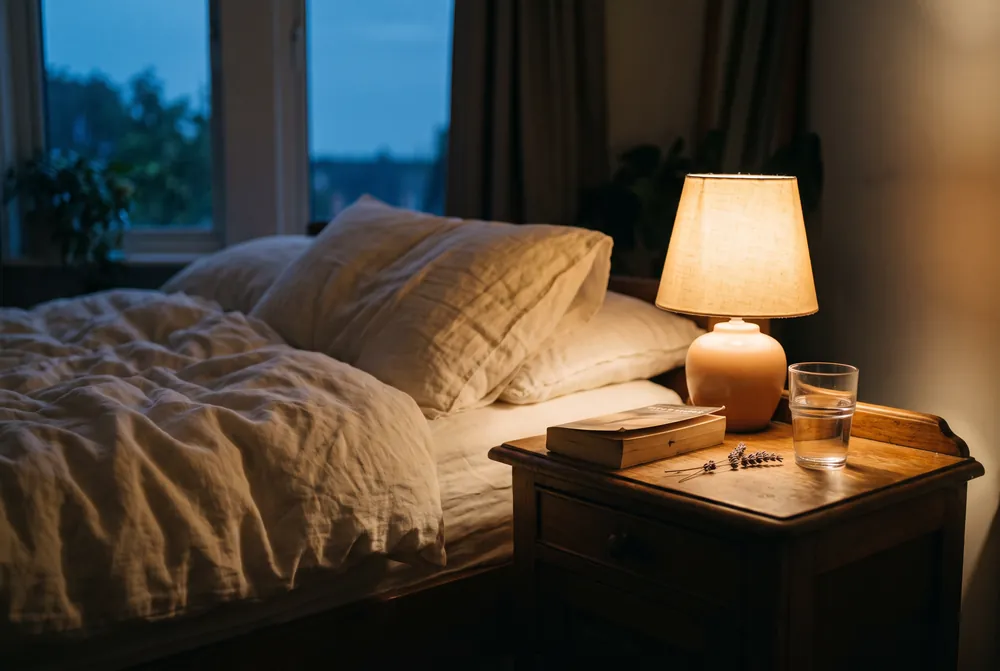
If you want to replace some screen time with something else, try having a physical book nearby — not necessarily anything serious or improving, just something you genuinely want to read. Having it within arm's reach makes it a real option rather than an abstract good intention.
Something for your body
Tension lives in your body, and if you don't do anything physical in the evening, you will often carry the day's physical residue straight into bed. You don't need an evening workout — in fact, vigorous exercise late at night tends to energize rather than calm most people. What works better is something gentle that specifically invites your muscles to let go.
A warm shower or bath
A warm shower in the evening is one of the most consistently effective wind-down tools, and you probably already shower anyway. The key is to make it slightly intentional: warm rather than hot, slightly longer than a purely functional shower, with attention on the sensation rather than planning the next day. Let warm water run over the back of your neck and your shoulders specifically — that's where a lot of people hold tension without noticing it.
A short stretching sequence
Five to ten minutes of gentle floor stretching before bed helps many people fall asleep more easily. You don't need a yoga video. Try lying on your back with your legs up the wall for two minutes, then pulling one knee to your chest and holding it for thirty seconds on each side, then a gentle seated forward fold. The whole thing takes less than ten minutes and specifically releases tension from the lower back and hips — which carry a lot of the physical burden of sitting and standing all day.
A short walk after dinner
A ten-to-fifteen-minute walk after dinner — even just around the block — gives your body a gentle way to transition from the activity of the evening meal to a quieter state. Walk without headphones occasionally and just take in what is around you. This is particularly useful if you tend to feel mentally wired in the evening even when you're physically tired.
Managing the mental side
The body-based steps above help, but many people also need something specific for the mental part of winding down — particularly if you tend to lie awake with thoughts running.
A closing-the-day ritual
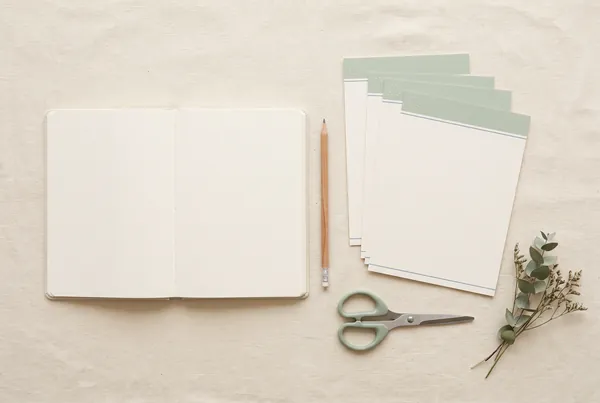
A simple closing-the-day practice is: sit down for five minutes with a notebook and write two or three things that happened today that went okay, and write the most important one or two things for tomorrow. That's it — not a full journal, not a gratitude list, just a brief written acknowledgment that the day happened and that tomorrow has a shape. Closing the notebook is the symbolic end of the workday. Many people who try this find that it reduces the "mental to-do list" loop that tends to activate when they're trying to sleep.
Something to look forward to in the morning
Before you go to sleep, identify one specific, small thing you are looking forward to about the next day. Not necessarily something big — it might be a cup of coffee you particularly like, a call with someone you enjoy, or even a task you find satisfying. Having something minor to look forward to can change the feeling of going to sleep from "the day is over" to "something good is coming."
Building consistency without rigidity
The goal is a routine you actually do most nights — not one you do perfectly on rare occasions. That means building it around your real life rather than an idealized version of it.
Start with two or three steps, not eight. Pick the ones that feel most appealing or most needed right now, and do those consistently for a couple of weeks. Add something else only once the first steps feel automatic. A short routine you do every night will serve you better than a comprehensive one you abandon after three days because it took too long.
On nights when it goes sideways — you stayed up too late, skipped everything, fell asleep on the sofa — just start fresh the next night without any drama about it. A routine is something you return to, not something you ruin by missing a day. Over time, even an imperfect consistent routine creates a real sense of evenings being yours — a transition that belongs to you rather than to whoever and whatever demanded your attention during the day.
The short version
- Choose one specific action as your routine's start signal — like turning off overhead lights or making herbal tea — and do it at the same time every night.
- Be specific about screen use rather than banning all screens: decide in advance what you will and won't watch or scroll in your wind-down window.
- Warm water on the back of your neck and shoulders in a shower specifically targets where most people hold the day's physical tension.
- A five-minute notebook practice — what went okay today, what matters tomorrow — helps many people quiet the mental to-do list that runs at bedtime.
- Start with two or three routine steps, not eight. Consistency over several weeks matters far more than completeness on any given night.
Questions people ask
How long should a calming evening routine be?
Thirty to sixty minutes works well for most people. The length matters less than consistency — a twenty-minute routine you do every night will do more for you than a ninety-minute routine you manage twice a week. Start shorter rather than longer so that it feels doable rather than like another obligation.
What if I have kids or a partner who disrupts my routine?
Build your routine around the actual reality of your household, not around having a perfectly quiet house. Many of the steps here — a warm shower, a few minutes with a notebook, two minutes of stretching — can happen after kids are in bed or alongside a partner doing their own thing. A routine doesn't have to be solitary to work.
Is it okay to watch TV as part of my evening routine?
Many people watch TV in the evening and sleep perfectly well. The question worth asking yourself is: which specific content tends to leave you feeling wound up versus relaxed? A calm drama or a familiar comfort show is different from news or something with a tense plot. Pay attention to how you feel after different things you watch and use that as your guide.
How long before I notice a difference from doing this consistently?
Many people notice a shift within one to two weeks of being fairly consistent. The signals you send your body through repetition start to work faster as the routine becomes familiar — you may notice that certain steps begin to feel calming before you've even finished them. This is the routine working as intended.
What if I'm a night owl and feel most awake in the evenings?
Your routine can still work — it just starts later. The goal isn't to force an earlier bedtime, it's to create a deliberate wind-down whatever time that ends up being for you. Night owls often benefit even more from a clear routine because the transition from active evening energy to sleep is a bigger shift for them.